


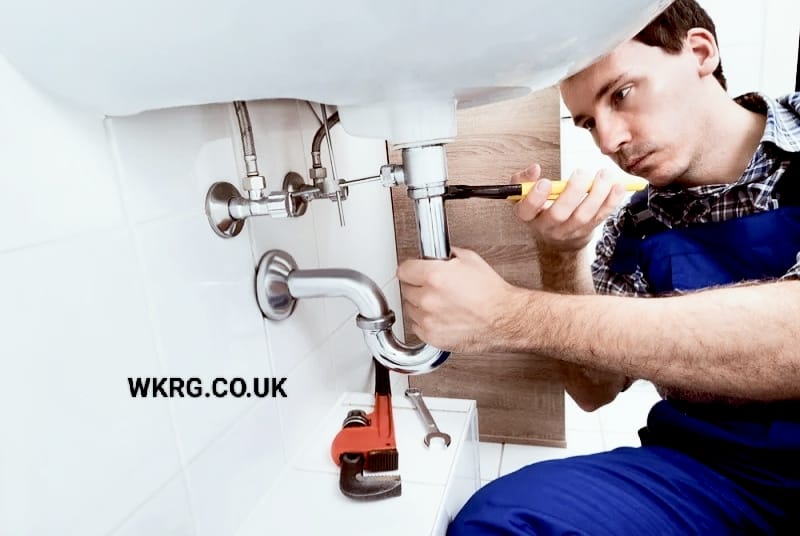
Plumbing problems can strike anytime. A burst pipe, clogged drain, or leaking faucet can quickly turn into a disaster. That’s when emergency plumbing repair becomes a lifesaver.
In this guide, you’ll learn what emergency plumbing means, how to handle it, and when to call a professional. We’ll also cover tips to prevent future issues and save on costly repairs.
What Is Emergency Plumbing Repair?
Emergency plumbing repair refers to urgent fixes needed to stop water damage, restore water flow, or prevent health risks. These problems usually can’t wait for a regular appointment.
Common emergency plumbing issues include:
- Burst pipes
- Overflowing toilets
- Blocked sewer lines
- Broken water heaters
- Major leaks
- Gas line issues (if handled by plumbers)
These issues need fast action. Delays can damage your home, increase repair costs, and affect your daily routine.
Signs You Need Emergency Plumbing Repair
Not all plumbing problems are emergencies. But some signs show that you need help right away.
Here are clear signs it’s time to call an emergency plumber:
- Water Flooding
Any uncontrolled water flow can damage floors and walls fast. - No Running Water
If all taps stop working, it could mean a broken main line. - Sewage Backup
A foul smell and dirty water coming from drains is a health hazard. - Frozen or Burst Pipes
Pipes that freeze in winter can burst and flood your home. - Leaking Water Heater
A broken water heater can cause both water and electrical hazards. - Gas Smell (if your plumber handles gas lines)
If you smell gas, leave the area and call for help.
First Steps to Take in a Plumbing Emergency
Before the plumber arrives, you can take steps to reduce damage.
Follow these quick actions:
- Turn Off the Main Water Valve
This stops water from flowing and prevents flooding. - Shut Off Electrical Power If Needed
If water touches outlets or appliances, turn off power to stay safe. - Drain the Taps
Open all taps to release trapped water and reduce pressure. - Contain the Leak
Use buckets, towels, or plastic to catch or block water. - Take Photos
Document the damage. It helps with insurance claims later.
These steps won’t fix the issue but can buy you time and prevent further harm.
Why You Should Call a Professional Emergency Plumber
DIY plumbing can seem tempting, but emergency repairs need skill. One wrong move can make things worse.
Here’s why you should call a licensed plumber:
1. Quick Diagnosis
Professionals spot the problem fast. They use tools like cameras and pressure gauges to find the root cause.
2. Permanent Fix
Emergency plumbers don’t just patch the issue. They provide long-term solutions, reducing the risk of repeat problems.
3. Safety
Working with water, gas, or electricity is risky. Licensed plumbers follow safety codes and protect your home.
4. Insurance and Warranty
Most plumbers offer warranties. Insurance companies also prefer certified work for claims.
5. 24/7 Availability
Emergency plumbers work around the clock. You don’t need to wait until morning.
Questions to Ask an Emergency Plumber
Before hiring, ask key questions to make sure you’re choosing the right expert.
Ask these before they begin:
- Are you licensed and insured?
- Do you charge emergency call-out fees?
- How long will it take to arrive?
- What is the estimated cost range?
- What warranty do you offer?
These questions help you avoid surprises and build trust with your plumber.
How to Prevent Plumbing Emergencies
Preventing plumbing issues is easier and cheaper than fixing them. Regular maintenance and smart habits can protect your pipes and your wallet.
Tips to prevent emergency plumbing repair:
- Check for Leaks Often
Look under sinks and around toilets for wet spots or musty smells. - Avoid Pouring Grease Down Drains
Grease hardens and blocks pipes. Use a container to store it. - Use Drain Screens
These catch hair, food, and debris before they enter your pipes. - Insulate Pipes in Winter
Wrapping pipes prevents freezing and bursting. - Flush Only Toilet Paper
Avoid flushing wipes, paper towels, or hygiene products. - Schedule Annual Plumbing Inspections
A licensed plumber can spot small issues before they become emergencies.
Cost of Emergency Plumbing Repair
Emergency plumbing repair often costs more than routine jobs. Plumbers may charge extra for after-hours or holiday service.
Cost factors include:
- Time of day
- Severity of the issue
- Location of the damage
- Parts and labor
- Travel distance
On average, emergency repairs can range from $150 to $800 or more. Major issues like burst pipes can reach $2,000+ depending on the damage.
Tip: Always ask for a written estimate before the work begins.
DIY Plumbing Fixes – When They’re Safe
Some small issues don’t need emergency help. You can try to fix certain problems with basic tools and care.
Safe DIY fixes:
- Unclogging a Slow Drain
Use a plunger or a drain snake. - Replacing a Washer in a Leaky Tap
Turn off the water, remove the handle, and switch the washer. - Resetting a Water Heater
Press the reset button if the water goes cold. - Tightening Loose Fittings
Hand-tighten joints under the sink if they drip.
Always avoid doing gas repairs, sewer line fixes, or cutting into walls without training.
What to Expect During an Emergency Plumbing Visit
Knowing what happens during the visit helps you stay calm.
Here’s the usual process:
- Arrival and Inspection
The plumber checks the issue and may use tools or cameras. - Diagnosis and Quote
They explain the problem and give a price. - Approval and Repair
Once you agree, they start the work. - System Check
After fixing it, they test everything to make sure it works. - Cleanup and Payment
Good plumbers clean up and provide a receipt or warranty.
How to Choose a Reliable Emergency Plumber
Choosing the right plumber makes a big difference in how fast and well the repair goes.
Look for these traits:
- 24/7 Availability
- Fast Response Time
- Clear Pricing
- Positive Reviews
- Local Experience
- Licensed and Insured
Ask friends or neighbors for referrals. Online platforms like Yelp or Google Maps also help.
Emergency Plumbing Tools Every Homeowner Should Have
You don’t need to be a plumber to stay prepared. Keep a few tools on hand to manage small issues before help arrives.
Must-have plumbing tools:
- Plunger (for toilets and sinks)
- Pipe wrench
- Adjustable wrench
- Basin wrench
- Drain snake
- Teflon tape
- Bucket and towels
- Flashlight
- Plumbing tape or putty
These tools can help you control minor leaks or clogs until the plumber arrives.
Final Thoughts on Emergency Plumbing Repair
Plumbing emergencies are stressful, but you don’t have to face them alone. Knowing what to do, what to expect, and who to call can save your home from major damage.
Take action fast. Turn off the water, stay calm, and call a licensed emergency plumber. Then follow up with regular maintenance to avoid future surprises.
Your home’s plumbing is its lifeline. Treat it with care, and it will serve you for years—without unexpected floods or costly repairs.
